Active leak triage
Emergency roof work is about controlling water first. Permanent repairs come after the opening is stable, the weather is safe, and the contractor can see what actually failed.
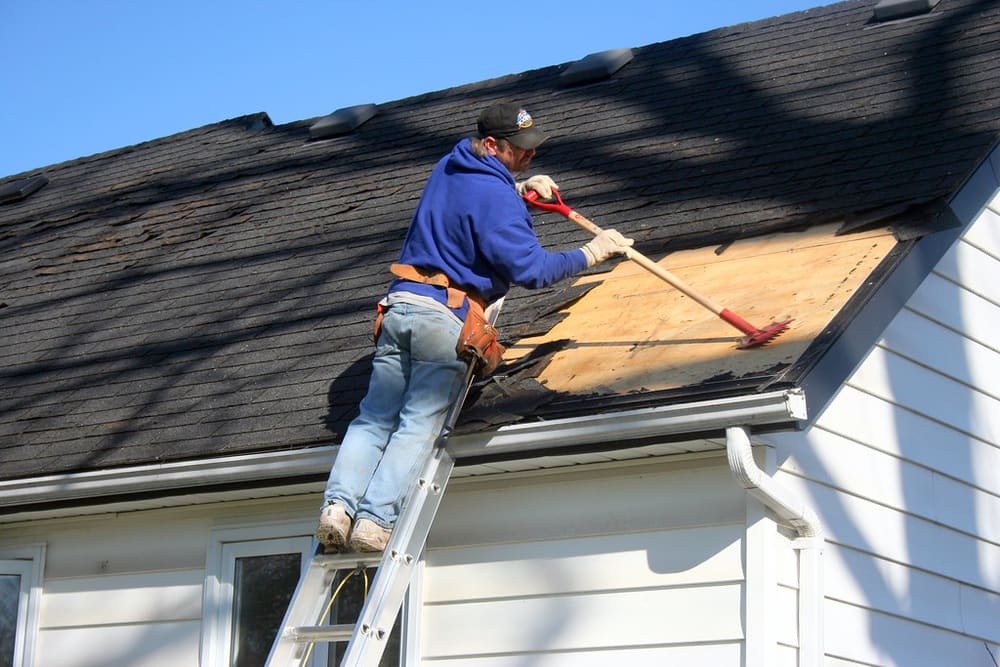
When to treat the roof as urgent
Call quickly when water is entering living space, ceiling drywall is bulging, shingles or panels are missing, a limb has pierced the roof, or insulation is getting wet. The goal is to limit interior damage while a permanent scope is prepared.
A tarp, board-up, or temporary flashing detail is not the same as a finished repair. It buys time, protects the house, and gives the contractor a safer window to quote the correct work.
What homeowners can do safely
Place buckets where water is dripping, move furniture and electronics, photograph interior damage, and avoid turning on lights or fans near active water. Do not climb the roof during rain, high wind, snow, or darkness.
When you call, give the city or region, roof height, material if known, what room is affected, and whether a tree or storm caused the opening. Those details help the contractor triage the visit.
After the dry-in
Once water is controlled, the permanent quote should identify the failed detail, any damaged sheathing, the materials needed, and whether local permit rules apply. Storm-related emergencies may also need photos before anything is covered.
If several old repairs surround the leak, ask whether another patch is sensible. Emergency work should stop the immediate damage, not hide a larger replacement decision.